
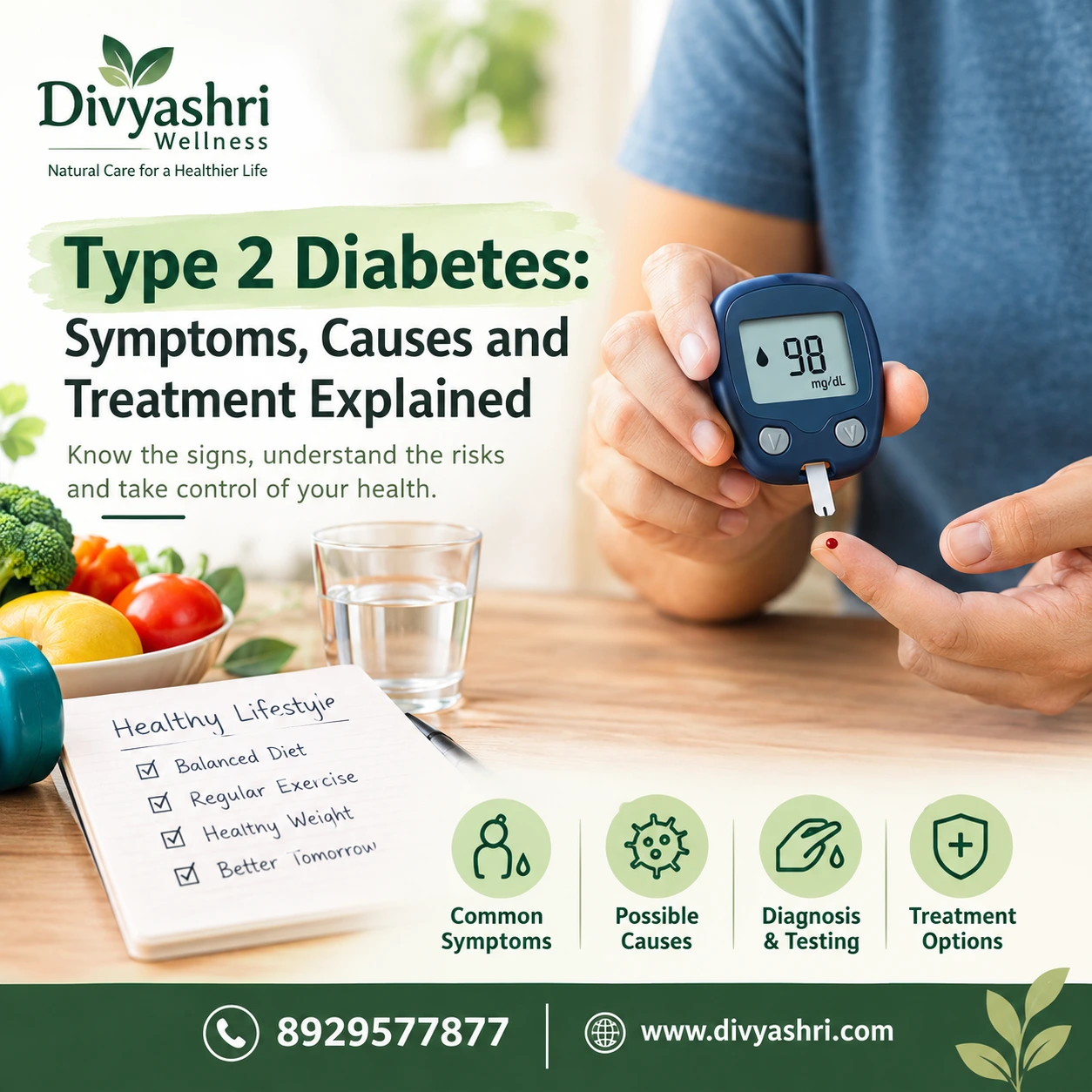
Type 2 diabetes is a chronic health condition that affects how the body regulates blood sugar (glucose). It develops when the body does not use insulin effectively or cannot produce enough insulin to maintain healthy blood glucose levels. Without proper management, high blood sugar can increase the risk of heart disease, kidney problems, nerve damage and vision complications.
Understanding the symptoms of type 2 diabetes, its causes, and available treatment options can help people seek medical advice early and manage their health more effectively. Although diabetes is a long-term condition, appropriate treatment and lifestyle changes can help control blood sugar and reduce the risk of complications.
What Is Type 2 Diabetes?
Type 2 diabetes is the most common form of diabetes. It occurs when the body’s cells become less responsive to insulin, a hormone produced by the pancreas that helps glucose enter cells for energy.
This reduced response is called insulin resistance. Over time, the pancreas may struggle to produce enough insulin to compensate, causing blood glucose levels to rise.
Type 2 diabetes can develop in adults, teenagers, and children. Symptoms may develop gradually, and some people have no noticeable warning signs. Therefore, blood sugar testing is important, particularly for people with known risk factors.
Common Symptoms of Type 2 Diabetes
Recognising the early symptoms of type 2 diabetes can help people seek medical attention before complications develop. Common symptoms include:
1. Frequent Urination
High blood sugar can cause the kidneys to remove excess glucose through urine. This may lead to more frequent urination, including during the night.
2. Increased Thirst
Frequent urination can cause the body to lose more fluid than usual, resulting in persistent thirst and a dry mouth.
3. Increased Hunger
Some people experience increased hunger even after eating because their bodies cannot use glucose efficiently for energy.
4. Fatigue and Low Energy
High blood glucose can interfere with the body’s ability to use energy effectively. Dehydration and other effects of diabetes may also contribute to tiredness.
5. Blurred Vision
Changes in blood glucose levels can affect the fluid balance in the eyes, temporarily making vision blurry. Persistent vision changes should be assessed by a healthcare professional.
6. Slow-Healing Wounds
Cuts, sores and other minor injuries may take longer to heal when blood sugar remains elevated. Diabetes can also affect circulation and the body’s ability to fight infections.
7. Tingling or Numbness
Some people experience tingling, burning or numbness in their hands and feet. These symptoms may indicate nerve damage associated with diabetes.
8. Unexplained Weight Loss
Unexpected weight loss can occur when the body cannot use glucose effectively and begins using stored fat and muscle for energy.
Important: Type 2 diabetes does not always cause noticeable symptoms. If you have risk factors or concerns about your blood sugar, consult a healthcare professional about appropriate testing.
What Causes Type 2 Diabetes?
Type 2 diabetes usually develops through a combination of genetic, metabolic and lifestyle-related factors. There is no single cause in every case.
1. Insulin Resistance
Insulin resistance is a central feature of type 2 diabetes. When cells respond poorly to insulin, glucose remains in the bloodstream instead of entering cells efficiently.
Over time, the pancreas may not produce enough insulin to keep blood glucose within a healthy range.
2. Family History and Genetics
Having a parent or sibling with type 2 diabetes can increase a person’s risk. Genetic factors influence how the body regulates glucose and responds to insulin.
However, a family history does not mean that someone will inevitably develop diabetes.
3. Overweight and Abdominal Fat
Excess body fat, particularly around the abdomen, is associated with an increased risk of insulin resistance. However, type 2 diabetes can also develop in people who are not overweight.
4. Physical Inactivity
Regular physical activity helps muscles use glucose and improves insulin sensitivity. A sedentary lifestyle may contribute to a higher risk of developing type 2 diabetes.
5. Unhealthy Dietary Patterns
Frequently consuming sugary drinks, large portions of highly refined carbohydrates and energy-dense foods may contribute to excess calorie intake and weight gain. Overall dietary patterns, portion sizes and physical activity all influence metabolic health.
Eating sugar alone is not the sole cause of type 2 diabetes.
6. Increasing Age and Other Health Factors
The risk generally increases with age, although younger people can also develop the condition. Prediabetes, a history of gestational diabetes, high blood pressure and certain metabolic conditions can also increase risk.
How Is Type 2 Diabetes Diagnosed?
A healthcare professional can diagnose type 2 diabetes using blood tests. Common tests include:
- HbA1c test: Measures average blood glucose over approximately two to three months.
- Fasting blood glucose test: Measures blood sugar after an overnight fast.
- Oral glucose tolerance test: Measures how the body processes glucose after a glucose-containing drink.
- Random blood glucose test: Measures blood sugar at any time and may help establish a diagnosis when typical symptoms are present.
For non-pregnant adults, commonly used diagnostic thresholds include:
Test | Diabetes range |
HbA1c | 6.5% or higher |
Fasting blood glucose | 126 mg/dL or higher |
Two-hour oral glucose tolerance test | 200 mg/dL or higher |
Random blood glucose | 200 mg/dL or higher with typical symptoms or a hyperglycaemic crisis |
These results should be interpreted by a qualified healthcare professional. Unless the presentation is unequivocal, an abnormal result generally requires confirmation with repeat or additional testing.
Type 2 Diabetes Treatment Options
The treatment of type 2 diabetes aims to manage blood glucose, protect overall health, and prevent long-term complications. The right treatment plan depends on a person’s blood sugar levels, medical history, other health conditions, and individual needs.
1. Healthy Eating
A balanced eating pattern can .support blood sugar management Helpful choices include:
- Non-starchy vegetables such as spinach, cauliflower, beans and cucumber.
- Whole grains and high-fibre foods in appropriate portions.
- Protein sources such as lentils, beans, tofu, eggs or other suitable options.
- Whole fruit rather than relying on fruit juices.
- Water or unsweetened drinks instead of sugary beverages.
People with diabetes do not necessarily need to eliminate all carbohydrates. The amount, type and distribution of carbohydrates should be tailored to individual needs.
2. Regular Physical Activity
Exercise helps muscles use glucose and can improve insulin sensitivity. Walking, cycling, swimming and strength exercises may all be useful.
Many adults can work towards at least 150 minutes of moderate-intensity physical activity per week, subject to their health and fitness levels. People who have been inactive or have diabetes-related complications should ask their healthcare professional how to begin safely.
3. Diabetes Medication
Lifestyle changes are important, but many people also need medication to manage type 2 diabetes.
Depending on the individual, treatment may include:
- Metformin: Commonly used to help lower blood glucose.
- SGLT2 inhibitors: Certain medicines in this group can provide additional heart or kidney benefits for eligible patients.
- GLP-1 receptor agonists: Some medicines in this group help regulate blood glucose and may support weight management.
- Other glucose-lowering medicines: Several options are available, depending on a person’s medical needs.
- Insulin: May be necessary when blood glucose is very high or other treatments do not provide adequate control.
Medication should only be started, stopped or adjusted with medical guidance. The best option varies from person to person.
4. Blood Sugar Monitoring
Monitoring blood glucose helps people and their healthcare teams understand how meals, activity, illness and medication affect blood sugar.
Depending on the treatment plan, monitoring may involve a blood glucose meter, a continuous glucose monitor or periodic HbA1c testing.
5. Weight Management When Appropriate
For people who have overweight or obesity, gradual and sustainable weight loss may improve insulin sensitivity and blood glucose control.
A healthcare professional or registered dietitian can help develop a suitable nutrition and activity plan.
6. Regular Medical Check-Ups
Managing diabetes involves more than monitoring glucose. Regular appointments may include checks of blood pressure, cholesterol, kidney function, eye health, and feet.
These assessments can help detect complications early and support long-term health.
Can Type 2 Diabetes Be Prevented or Reversed?
Type 2 diabetes can often be prevented or delayed in people at increased risk through healthy lifestyle changes. These may include regular physical activity, a balanced diet, maintaining a healthy weight and getting screened when recommended.
Some people diagnosed with type 2 diabetes can achieve remission, meaning blood glucose levels fall below the diabetes range for a sustained period without glucose-lowering medication. However, remission is not the same as a permanent cure, and diabetes can return.
Never stop prescribed medication in an attempt to achieve remission without consulting your healthcare professional.
Possible Complications of Uncontrolled Type 2 Diabetes
Persistently high blood sugar can damage blood vessels and nerves over time. Possible complications include:
- Heart disease and stroke.
- Kidney disease.
- Diabetic retinopathy and other eye problems.
- Nerve damage, particularly in the feet.
- Foot ulcers and infections.
- Increased risk of certain infections and slow wound healing.
Good blood sugar control, appropriate medication and regular screening can reduce the risk of many complications.
When Should You See a Doctor?
Arrange a medical assessment if you experience persistent thirst, frequent urination, unexplained weight loss, ongoing fatigue, blurred vision or slow-healing wounds.
Seek urgent medical attention if you have severe weakness, vomiting, abdominal pain, rapid or difficult breathing, confusion or reduced consciousness, especially if high blood sugar is suspected.
Do not delay medical assessment while trying home remedies or supplements.
Frequently Asked Questions (FAQs)
1. What are the first signs of type 2 diabetes?
Early signs may include increased thirst, frequent urination, fatigue, increased hunger and blurred vision. However, some people have no noticeable symptoms.
2. What is the main cause of type 2 diabetes?
Type 2 diabetes usually develops when the body becomes resistant to insulin and the pancreas cannot produce enough insulin to maintain normal blood glucose. Genetics, excess body fat, physical inactivity and other factors can contribute.
3. Can type 2 diabetes be cured permanently?
There is currently no guaranteed permanent cure. Some people achieve remission through sustained lifestyle changes and, in selected cases, medical or metabolic interventions. Ongoing monitoring remains important.
4. What foods should people with type 2 diabetes eat?
A balanced diet can include vegetables, whole grains, pulses, suitable protein sources, healthy fats and whole fruit in appropriate portions. Individual dietary needs vary, so a personalised plan may be helpful.
5. Is type 2 diabetes different from type 1 diabetes?
Yes. Type 2 diabetes is primarily associated with insulin resistance and a gradual inability to produce enough insulin. Type 1 diabetes is an autoimmune condition in which the body produces little or no insulin. Their treatments differ.
6. Can exercise help control type 2 diabetes?
Yes. Regular physical activity can improve insulin sensitivity, support blood glucose control and benefit heart health. Exercise should be adapted to the person’s medical condition and abilities.
Conclusion
Type 2 diabetes is a long-term condition that can often be managed effectively with early diagnosis, healthy lifestyle habits, appropriate medication and regular medical care. Recognising symptoms, understanding risk factors and getting blood sugar tested when needed can help prevent or delay serious complications.