
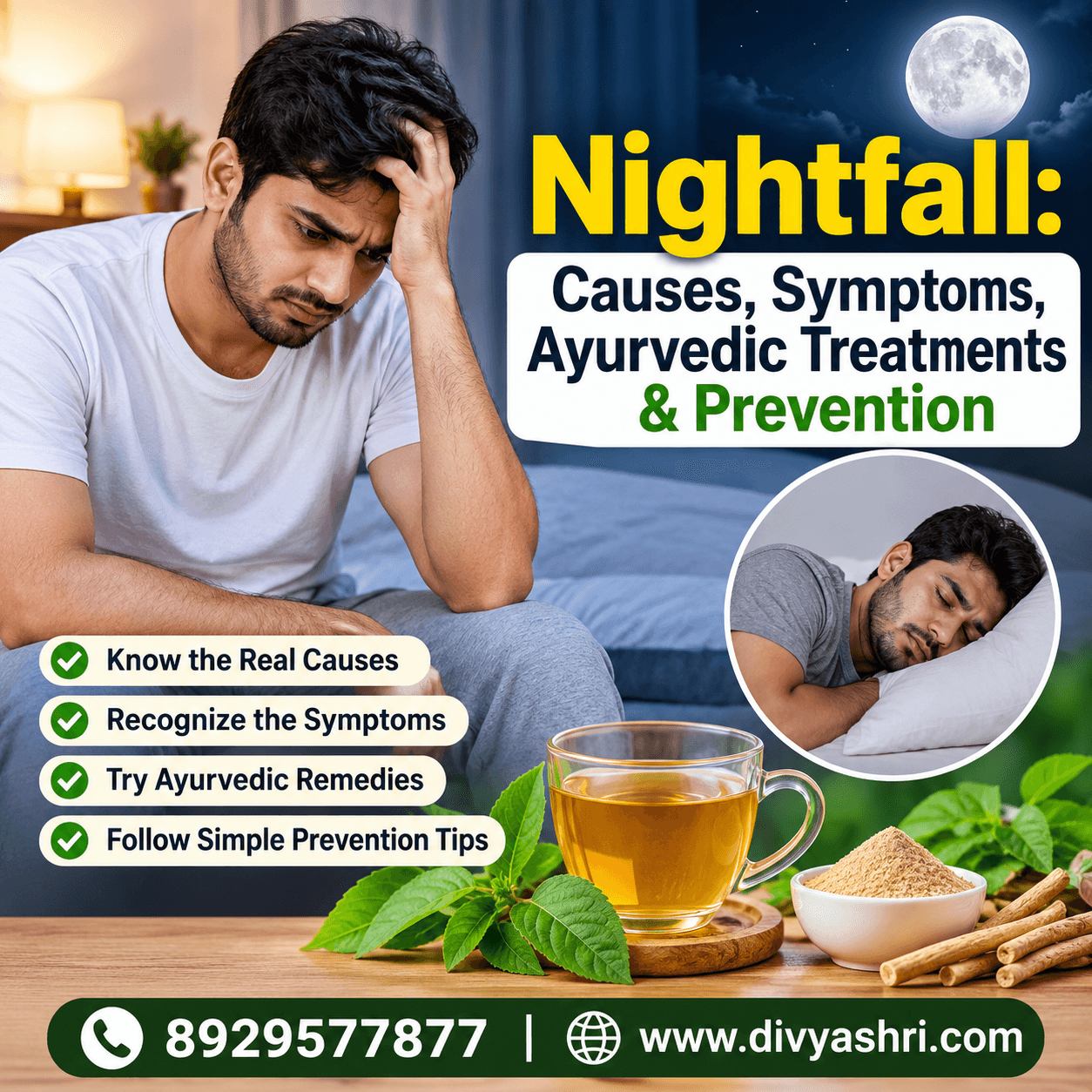
Nightfall, also known as nocturnal emission, wet dreams or Swapnadosh, is a common experience among teenage boys and adult men. It refers to the involuntary release of semen during sleep, sometimes accompanied by sexual dreams. Although many men feel embarrassed or worried about it, occasional nightfall is generally a normal part of male sexual health.
However, some men experience repeated nightfall and become concerned about their sleep, confidence and reproductive health. Understanding the actual causes, symptoms and available treatment options can help reduce unnecessary anxiety and encourage healthier habits.
What Is Nightfall?
Nightfall is the involuntary release of semen during sleep without conscious control. It is medically known as nocturnal emission and is commonly called wet dreams or Swapnadosh.
It is particularly common during puberty because of hormonal changes associated with sexual development. However, adult men can also experience nightfall.
Nightfall is not a disease, and occasional episodes do not indicate sexual weakness, infertility or a loss of physical strength. The body continuously produces sperm, and semen released during sleep is naturally replenished.
Nightfall frequency varies from person to person. There is no medically established frequency that applies to every individual.
Common Causes of Nightfall in Men
Understanding the causes of nightfall can help men distinguish between normal bodily functions and symptoms that may require medical attention.
Here are some factors associated with nocturnal emissions:
1. Hormonal Changes
Hormonal changes during puberty and adolescence play an important role in sexual development. Increased reproductive hormone activity can be associated with sexual arousal and wet dreams.
2. Sexual Dreams and Thoughts
Some men experience nightfall alongside erotic dreams or sexual stimulation during sleep. However, nightfall can also happen without remembering any sexual dream.
3. Normal Sleep-Related Body Functions
During sleep, the body goes through different stages of brain and nervous system activity. Involuntary sexual responses can occur during this time, including nocturnal emissions.
4. Stress and Anxiety
Mental stress, anxiety, and emotional discomfort can affect sleep quality. Some individuals also become excessively worried about nightfall, creating unnecessary psychological distress.
5. Irregular Sleep Schedule
Poor sleep habits, insufficient rest, and irregular sleeping times may affect overall physical and mental well-being. Maintaining a consistent sleep routine can support better sleep quality.
Symptoms of Nightfall
The most noticeable sign of nightfall is the involuntary release of semen during sleep.
Some commonly noticed signs include:
- Wet or sticky underwear after waking up.
- Semen discharge during sleep.
- Sexual dreams before waking up in some cases.
- Temporary awareness of ejaculation during sleep.
- Embarrassment or anxiety about the experience.
- Disturbed sleep due to worry about repeated episodes.
Some men also report tiredness or reduced concentration. However, ordinary nightfall does not directly cause physical weakness or nutritional deficiency.
If tiredness continues throughout the day, it is worth considering other possible causes rather than automatically blaming nightfall.
Is Frequent Nightfall Harmful?
Occasional nightfall is generally harmless and does not require treatment.
There is also no universal medical rule that says experiencing nightfall a particular number of times per month is dangerous.
However, if repeated episodes cause significant emotional distress, disturb sleep or occur alongside other symptoms, consulting a qualified healthcare professional can help identify the actual concern.
It is important to understand these facts:
- Nightfall does not mean that a man is losing his masculinity.
- It does not automatically cause infertility.
- It does not permanently reduce sexual performance.
- Semen loss during sleep does not cause permanent physical weakness.
- Every episode does not require medication.
Ayurvedic Treatment for Nightfall: Understanding the Traditional Approach
Ayurveda approaches reproductive wellness through a combination of diet, lifestyle, mental well-being and individual health assessment.
In traditional Ayurvedic literature, reproductive health is discussed in relation to concepts such as Shukra Dhatu and overall dosha balance.
Some Ayurvedic practitioners may consider sleep quality, stress, digestion, daily routine and individual constitution while advising people concerned about repeated nightfall.
However, it is important to understand that strong clinical evidence establishing Ayurvedic medicines as a treatment for normal nocturnal emissions is currently limited. Therefore, no herbal medicine should be presented as a guaranteed nightfall cure.
1. Ashwagandha
Ashwagandha is a traditionally used Ayurvedic herb associated with general wellness and stress management.
It is sometimes included in traditional formulations for overall vitality. However, there is insufficient reliable clinical evidence to establish that ashwagandha prevents or cures nightfall.
It may also interact with certain medicines and is not suitable for everyone. Consult a qualified healthcare professional before using it.
2. Brahmi
Brahmi is traditionally used in Ayurveda for mental wellness and cognitive support.
It may be discussed as part of a broader approach to managing stress and maintaining mental well-being. However, it is not a clinically established treatment for nocturnal emissions.
3. Shatavari
Shatavari is an Ayurvedic herb traditionally associated with nourishment and reproductive wellness.
Its traditional uses should not be confused with scientifically proven treatment for nightfall. Men considering herbal preparations should seek individual professional advice.
4. Safed Musli
Safed Musli is traditionally used in certain Ayurvedic preparations for vitality and reproductive wellness.
However, there is not enough high-quality clinical evidence to recommend it specifically for preventing nightfall.
Note: These herbs are mentioned for educational purposes, not as a prescription. Their use, dosage and suitability should be discussed with a qualified Ayurvedic practitioner. Avoid unverified sexual-health products and self-medication.
Natural Ways to Manage Nightfall
Although normal nightfall cannot always be prevented, healthy lifestyle habits can support better sleep and overall well-being.
1. Maintain a Regular Sleep Schedule
Try to sleep and wake up at consistent times every day. Adults generally benefit from around 7–9 hours of sleep.
2. Manage Stress
Stress-management activities can improve mental well-being and sleep quality.
You can try:
- Meditation.
- Deep breathing exercises.
- Gentle yoga.
- Spending time outdoors.
- Relaxing activities before bedtime.
3. Follow a Balanced Diet
A healthy and balanced diet supports general physical and reproductive health.
Include:
- Fresh seasonal fruits.
- Green leafy vegetables.
- Whole grains.
- Pulses and legumes.
- Milk or suitable alternatives.
- Nuts and seeds.
- Adequate water throughout the day.
No particular food has been proven to stop nightfall completely.
4. Exercise Regularly
Walking, cycling, yoga and moderate physical exercise can support cardiovascular health, improve mood and promote better sleep.
Avoid excessive exercise immediately before bedtime if it interferes with your sleep.
5. Maintain Personal Hygiene
If nightfall occurs, gently clean the genital area with water, change your underwear and maintain normal personal hygiene.
There is no need for special cleansing products or aggressive washing.
6. Avoid Unnecessary Worry
Many people develop anxiety because of misconceptions about semen loss.
Understanding that nightfall is a natural bodily function can help reduce embarrassment and unnecessary fear.
When Should You Consult a Doctor?
Although occasional nightfall is normal, some associated symptoms should not be ignored.
Consult a qualified doctor if you experience:
- Pain during ejaculation.
- Blood in semen.
- Burning sensation while urinating.
- Unusual penile discharge.
- Genital pain or swelling.
- Persistent urinary problems.
- Significant anxiety or sleep disturbance.
A healthcare professional can evaluate your symptoms and determine whether another condition requires attention.
Myths and Facts About Nightfall
There are several misconceptions surrounding nightfall, especially among young men.
Myth 1: Nightfall causes permanent physical weakness.
Fact: Normal nocturnal emissions do not cause permanent weakness or drain the body’s energy.
Myth 2: Nightfall causes infertility.
Fact: Occasional nightfall does not mean a person is infertile.
Myth 3: Every episode of nightfall requires Ayurvedic medicine.
Fact: Normal nightfall generally does not require any medication or treatment.
Myth 4: Nightfall only happens to unmarried men.
Fact: Men can experience nocturnal emissions regardless of their marital status.
Myth 5: Nightfall always happens because of sexual dreams.
Fact: Nightfall can occur even without remembering an erotic dream.
Frequently Asked Questions About Nightfall
1. What is the main cause of nightfall?
Nightfall is an involuntary ejaculation during sleep. Hormonal changes during puberty, normal sleep-related sexual responses and individual physiological differences can be associated with its occurrence.
2. Is nightfall normal in adults?
Yes. Nightfall can occur in both adolescents and adult men. Occasional episodes are generally normal and do not necessarily indicate a health problem.
3. How can I stop nightfall naturally?
There is no guaranteed natural method to completely stop normal nightfall. Maintaining a regular sleep schedule, managing stress, exercising regularly and following a balanced diet can support overall well-being.
4. Which Ayurvedic medicine is best for nightfall?
There is no universally established Ayurvedic medicine proven to cure normal nocturnal emissions. A qualified Ayurvedic practitioner can assess individual concerns and discuss suitable options.
5. Does nightfall cause weakness?
No. Normal nightfall does not cause permanent physical weakness, loss of masculinity or nutritional deficiency.
6. Can nightfall affect fertility?
Occasional nightfall does not cause infertility. It is a normal involuntary bodily function and does not automatically indicate a reproductive health problem.
7. When does nightfall become a concern?
Nightfall may require professional evaluation when it causes significant distress, disrupts daily life, or occurs with pain, blood in semen, burning urination, or other unusual symptoms.
Conclusion
Nightfall is a common and generally natural bodily function that can occur during adolescence as well as adulthood. Understanding its causes, symptoms, and misconceptions is important for maintaining good sexual and reproductive health.
Ayurveda offers traditional approaches to overall wellness through balanced nutrition, lifestyle management, and individual assessment. However, herbal medicines should not be considered guaranteed treatments for normal nightfall.
The best approach is to maintain healthy daily habits, avoid unnecessary anxiety, and seek professional guidance if unusual symptoms or persistent concerns occur.
Take care of your health with the right information. For more informative articles on Ayurveda, natural wellness, and healthy living, visit Divyashri Wellness. For more information, visit our website: https://www.divyashri.com/