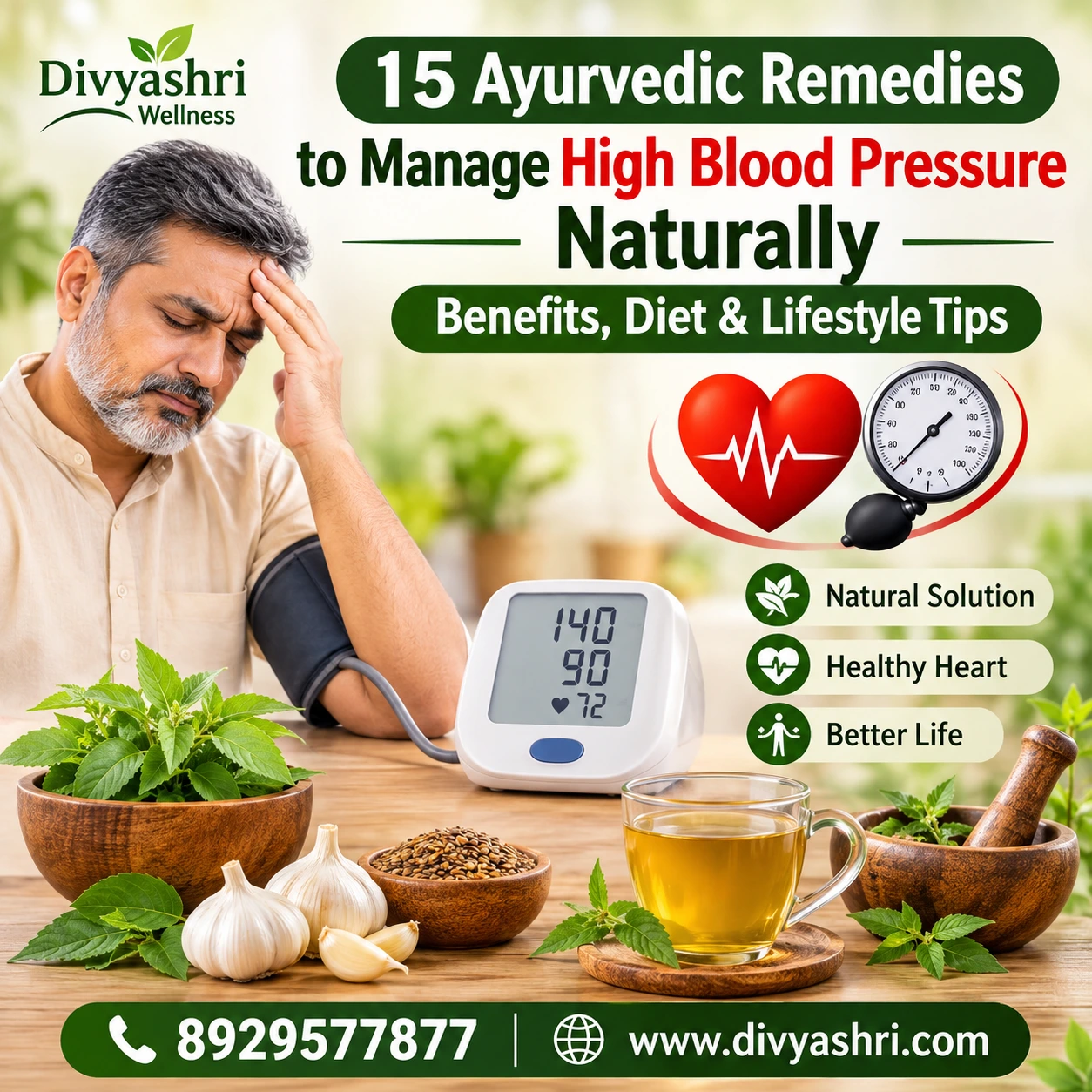
High blood pressure is one of the most common health problems affecting adults today. Unhealthy eating habits, excessive salt consumption, stress, lack of physical activity, poor sleep and family history can increase the risk of hypertension. If left unmanaged, high blood pressure may damage the heart, kidneys, brain and blood vessels.
Many people search for Ayurvedic remedies for high blood pressure because they want to manage their blood pressure through natural methods, healthy food choices and traditional wellness practices.
Ayurveda emphasizes maintaining a healthy lifestyle through balanced nutrition, physical activity, yoga, meditation and appropriate herbal support. These practices may complement medical treatment and help support overall cardiovascular health.
What Is High Blood Pressure (Hypertension)?
High blood pressure, medically known as hypertension, is a condition in which the force of blood against the walls of the arteries remains consistently elevated.
Blood pressure is measured using two numbers:
- Systolic Blood Pressure: The pressure in your arteries when your heart beats.
- Diastolic Blood Pressure: The pressure in your arteries when your heart rests between beats.
According to the World Health Organization (WHO), hypertension is generally diagnosed when blood pressure readings are 140/90 mmHg or higher on measurements taken on two different days.
High blood pressure often develops without noticeable symptoms. Therefore, regular blood pressure monitoring is essential for early detection and proper management.
Common Causes of High Blood Pressure
Several lifestyle and health-related factors can contribute to hypertension.
Some common causes include:
- Excessive salt consumption.
- Eating too many processed and packaged foods.
- Lack of physical activity.
- Chronic stress and anxiety.
- Being overweight or obese.
- Smoking and tobacco consumption.
- Excessive alcohol consumption.
- Poor sleeping habits.
- Family history of hypertension.
- Certain kidney and hormonal conditions.
Understanding these risk factors can help you make better lifestyle choices and manage blood pressure more effectively.
15 Ayurvedic Remedies to Manage High Blood Pressure Naturally
Here are 15 natural approaches inspired by Ayurvedic wellness principles and supported by established healthy-lifestyle recommendations. Not every approach is a proven Ayurvedic treatment, and the evidence varies.
1. Include Garlic in Your Daily Diet
Garlic (Lahsun) is commonly used in traditional Indian cooking and has been studied for its potential cardiovascular benefits.
Garlic contains sulfur-containing compounds, including allicin, which may influence blood vessel function.
Potential benefits:
- May offer a modest blood-pressure-lowering effect.
- Contains antioxidant compounds.
- Can be included in a heart-healthy diet.
- Adds flavour to food without requiring excessive salt.
How to consume: Include garlic in your regular meals according to your dietary preferences. Avoid taking concentrated garlic supplements without medical advice, particularly if you use blood-thinning medicines.
2. Drink Amla Juice in Moderation
Amla (Indian Gooseberry) is traditionally valued in Ayurveda because it contains vitamin C and various antioxidant compounds.
It can be included in a balanced diet to support general health.
Potential benefits:
- Provides vitamin C.
- Contains natural antioxidant compounds.
- Supports a nutrient-rich diet.
- Can be used as part of a healthy dietary routine.
How to consume: You can include fresh amla in your diet or consume a small amount of unsweetened amla juice. There is insufficient evidence to establish amla juice as a treatment for hypertension.
People taking regular medicines should discuss concentrated amla products with their healthcare professional.
3. Practise Anulom Vilom Pranayama
Pranayama is an important part of traditional yoga practices. Anulom Vilom involves gentle, alternate-nostril breathing.
Slow and controlled breathing may help promote relaxation and support stress management.
Potential benefits:
- Helps promote mental relaxation.
- May reduce stress-related tension.
- Encourages controlled breathing.
- Supports a regular wellness routine.
How to practise: Sit comfortably, keep your spine straight and breathe slowly through alternate nostrils without forcing your breath. Begin with 5 minutes and increase gradually if comfortable.
Avoid breath-holding or forceful breathing exercises unless advised by a qualified yoga professional.
4. Include Flaxseeds in Your Diet
Flaxseeds (Alsi) are a source of plant-based omega-3 fatty acid ALA, fibre and lignans.
Adding flaxseeds to a balanced diet may support cardiovascular health.
Potential benefits:
- Provides dietary fibre.
- Contains plant-based omega-3 fatty acids.
- Supports a heart-healthy eating pattern.
- Can help improve overall dietary quality.
How to consume: Add ground flaxseeds to oatmeal, curd, salads or other meals. Start with a small dietary portion and drink adequate water.
5. Practise Daily Meditation
Stress does not explain every case of high blood pressure, but chronic stress can contribute to unhealthy habits and may affect blood-pressure management.
Meditation is a traditional mind-body practice that can support emotional well-being.
Potential benefits:
- Helps calm the mind.
- Supports stress management.
- May improve emotional balance.
- Encourages better daily routines.
6. Drink Enough Water Throughout the Day
Proper hydration is important for normal body functions. However, drinking extra water is not a proven treatment for hypertension.
Potential benefits:
- Supports normal circulation.
- Helps maintain fluid balance.
- Supports digestion and general health.
How to follow: Drink water regularly according to your thirst, activity and weather conditions. People with kidney disease, heart failure or fluid restrictions should follow their doctor’s advice.
7. Eat More Fresh Fruits and Vegetables
A diet rich in fresh fruits and vegetables provides potassium, fibre, vitamins and antioxidants.
Potassium helps balance the effects of sodium in the body and plays an important role in blood-pressure regulation.
Foods to include:
- Spinach
- Carrots
- Tomatoes
- Apples
- Guava
- Oranges
- Papaya
- Seasonal vegetables
Potential benefits:
- Supports heart health.
- Helps improve dietary fibre intake.
- Provides essential nutrients.
- Supports a healthy eating pattern.
Important: People with kidney disease or high potassium levels may need to limit certain potassium-rich foods. Consult your healthcare professional before making major dietary changes.
8. Reduce Salt Consumption
Excessive sodium intake is an important dietary risk factor for high blood pressure.
Traditional Indian meals can contain hidden salt in pickles, papad, namkeen, packaged snacks, sauces and processed foods.
How to reduce salt:
- Use less salt while cooking.
- Avoid excessive pickles and papad.
- Reduce packaged and processed foods.
- Check sodium information on food labels.
- Use herbs, lemon and spices for flavour.
The WHO recommends adults consume less than 2,000 mg of sodium per day, equivalent to less than 5 grams of salt.
9. Practise Yoga Regularly
Yoga combines physical postures, breathing techniques and relaxation practices. It may help improve flexibility, physical activity levels and stress management.
Potential benefits:
- Supports stress reduction.
- Encourages regular physical activity.
- May improve flexibility.
- Supports overall physical and mental well-being.
Recommended approach: Begin with gentle yoga practices such as Tadasana, Sukhasana and simple stretching under appropriate guidance.
Avoid strenuous poses, inversions and practices that cause discomfort. Choose exercises according to your health condition and fitness level.
10. Include Whole Grains in Your Meals
Whole grains are an important part of a heart-healthy diet because they provide fibre and essential nutrients.
Instead of relying entirely on refined flour and highly processed foods, include a variety of whole grains.
Examples include:
- Oats
- Whole wheat
- Brown rice
- Barley (Jau)
- Millets such as ragi and jowar
Potential benefits:
- Provides dietary fibre.
- Supports digestive health.
- Helps improve overall diet quality.
- Can support healthy weight management.
11. Consume A Balanced Diet with Adequate Potassium
Potassium is an essential mineral that helps regulate fluid balance and supports normal muscle and nerve function.
A balanced diet containing potassium-rich foods may help support healthy blood pressure.
Some dietary sources include:
- Bananas
- Sweet potatoes
- Spinach
- Beans
- Lentils
- Oranges
How to include them: Add suitable fruits, vegetables and pulses to your daily meals.
People with chronic kidney disease or those taking medicines that increase potassium levels must consult their healthcare professional before increasing potassium intake or using potassium-based salt substitutes.
12. Go for a Daily Walk
Walking is one of the simplest ways to improve cardiovascular fitness and support blood-pressure management.
Regular physical activity helps the heart work more efficiently and supports healthy weight management.
Potential benefits:
- Supports cardiovascular fitness.
- Helps manage body weight.
- Improves physical endurance.
- Supports mental well-being.
How to start: Begin with 15–20 minutes of comfortable walking and gradually work towards at least 150 minutes of moderate-intensity physical activity per week, if medically suitable.
13. Maintain a Healthy Body Weight
Excess body weight can increase the risk of developing high blood pressure.
Maintaining a healthy body weight through balanced eating and regular physical activity may help improve blood-pressure control.
Helpful habits:
- Eat meals at regular times.
- Include vegetables and fibre-rich foods.
- Avoid frequent consumption of sugary drinks.
- Reduce highly processed foods.
- Stay physically active.
If you are overweight, aim for gradual and sustainable weight management rather than following crash diets.
14. Get Proper Sleep Every Night
Sleep plays an important role in maintaining overall health. Poor sleep and sleep disorders, particularly obstructive sleep apnoea, are associated with high blood pressure.
Potential benefits of healthy sleeping habits:
- Supports normal body recovery.
- Helps maintain mental well-being.
- Supports healthy daily routines.
- May improve blood-pressure management.
How to improve sleep:
- Maintain a consistent bedtime.
- Avoid excessive screen time before sleeping.
- Limit caffeine late in the day.
- Keep your bedroom comfortable.
- Aim for 7–9 hours of sleep each night.
If you snore heavily, experience interrupted breathing or feel excessively sleepy during the day, consult a healthcare professional.
15. Use Ayurvedic Herbs Only Under Professional Guidance
Certain herbs are traditionally used in Ayurveda for general wellness and have been investigated for their potential cardiovascular effects.
Examples include:
- Arjuna (Terminalia arjuna)
- Ashwagandha (Withania somnifera)
- Brahmi (Bacopa monnieri)
However, scientific evidence supporting these herbs as reliable treatments for hypertension is limited. Their effects, safety and interactions can vary.
Important precautions:
- Do not start herbal supplements without professional advice.
- Do not replace prescribed BP medicines with herbal products.
- Some herbs may interact with blood-pressure medicines.
- Choose products from reliable manufacturers with appropriate quality testing.
- Avoid self-prescribing strong Ayurvedic or herbo-mineral preparations.
A qualified Ayurvedic practitioner and your treating medical professional can help determine whether a particular preparation is suitable for you.
Ayurvedic Diet Plan for High Blood Pressure
Diet plays an important role in managing hypertension. A balanced eating pattern inspired by traditional Indian food habits and the DASH diet can help support cardiovascular health.
Here is an example of a simple Indian diet routine:
Meal | Suggested foods |
Early morning | Plain water and a fruit if desired |
Breakfast | Oats, vegetable poha or dalia |
Mid-morning | Seasonal fruit |
Lunch | Whole-wheat roti, dal, vegetables and salad |
Evening | Unsalted nuts or roasted chana |
Dinner | Vegetable khichdi, dal or light home-cooked food |
Dietary tips:
- Prefer home-cooked meals.
- Reduce excess salt and packaged foods.
- Include fruits, vegetables and pulses.
- Limit deep-fried and highly processed foods.
- Avoid excessive sugary beverages.
- Follow individual dietary restrictions advised by your doctor.
This is a general example, not a personalised medical diet plan.
Foods to Avoid or Limit in High Blood Pressure
Certain foods can contribute to excessive sodium intake and may make blood pressure more difficult to manage.
Food | Why should you limit it? |
Pickles | Often contain high amounts of salt |
Papad | Can contain considerable sodium |
Namkeen | Often high in salt and unhealthy fats |
Processed meats | May contain high sodium |
Instant noodles | Often contain high levels of sodium |
Packaged snacks | Frequently contain added salt |
Excessively salty foods | Can increase sodium intake |
Reducing these foods can help you follow a healthier dietary routine.
Can High Blood Pressure Be Controlled Naturally Without Medicine?
High blood pressure can sometimes improve significantly through lifestyle changes, particularly when it is detected early.
However, not everyone can control hypertension through natural methods alone.
People with persistent or significantly elevated blood pressure may require prescription medicines to reduce the risk of heart attack, stroke and kidney damage.
The safest approach includes:
- Regular blood pressure monitoring.
- A balanced, low-sodium diet.
- Appropriate physical activity.
- Stress management.
- Adequate sleep.
- Taking prescribed medicines regularly.
- Regular medical consultations.
Never stop or reduce your BP medicine without consulting your doctor, even if your readings improve.
When Should You Consult a Doctor?
You should consult a healthcare professional if your blood pressure readings are repeatedly elevated.
Seek immediate medical attention if your BP is around 180/120 mmHg or higher, particularly if you experience chest pain, difficulty breathing, severe headache, confusion, weakness, vision changes or other concerning symptoms.
If your reading is 180/120 mmHg or higher without symptoms, wait at least one minute and measure it again. If it remains this high, contact a healthcare professional immediately for urgent guidance.
Do not attempt to manage a hypertensive emergency with home remedies.
Frequently Asked Questions (FAQs)
1. Which Ayurvedic remedies are useful for high blood pressure?
Healthy dietary habits, gentle yoga, meditation, pranayama and regular physical activity may support blood-pressure management. Herbs such as Arjuna and Brahmi have been studied, but there is insufficient evidence to recommend them as standalone hypertension treatments.
2. Can garlic help manage high blood pressure?
Garlic has been investigated for its possible effects on blood pressure. Some studies suggest a modest benefit, but it should be considered a dietary addition rather than a replacement for prescribed medication.
3. Is amla good for high blood pressure?
Amla contains vitamin C and antioxidant compounds. It can be included in a balanced diet, but there is not enough reliable clinical evidence to establish it as a treatment for high blood pressure.
4. Which yoga is suitable for people with high BP?
Gentle yoga, relaxation techniques and controlled breathing may be suitable for some people. Anulom Vilom and simple stretching can be considered under proper guidance. Avoid forceful breathing and strenuous poses unless medically cleared.
5. Which foods should people with high blood pressure avoid?
People with hypertension should limit excessive salt, pickles, papad, packaged snacks, processed foods and other high-sodium products.
6. Can high blood pressure be controlled permanently?
Blood pressure can often be managed effectively with appropriate treatment and long-term lifestyle changes. However, hypertension does not necessarily disappear permanently, and ongoing monitoring may be required.
7. How often should I check my blood pressure?
The frequency depends on your readings, health condition and treatment plan. Your healthcare professional can recommend an appropriate monitoring schedule.
Conclusion
Managing high blood pressure requires consistent attention to diet, physical activity, sleep, stress and medical care. Ayurvedic wellness practices such as gentle yoga, pranayama, meditation and balanced food habits may complement conventional hypertension treatment.
The 15 natural approaches discussed in this article can help you build healthier daily habits and support your overall cardiovascular health. However, no single herb, juice or home remedy can guarantee normal blood pressure.
For safe and effective management, monitor your BP regularly, follow your healthcare professional’s advice and never discontinue prescribed medicines on your own.