
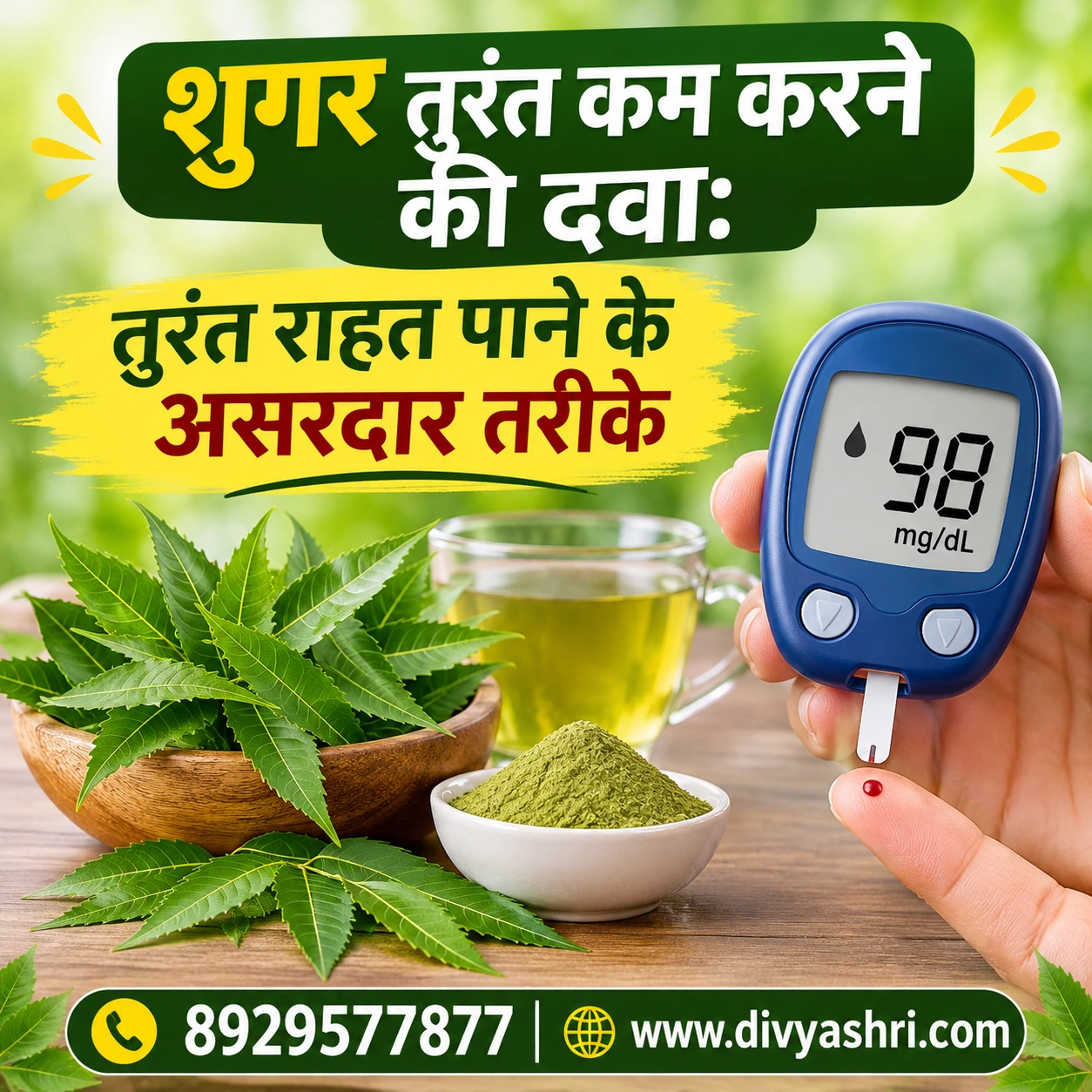
Diabetes is one of the most common health concerns worldwide. Maintaining healthy blood sugar levels helps prevent long-term complications and supports overall well-being. Along with prescribed treatment, many people explore natural ingredients and traditional herbal remedies to support their health. One such popular herb is neem.
Neem leaves for diabetes have been traditionally used in Ayurveda because of their natural plant compounds and potential health-supporting properties. Neem (Azadirachta indica), also known as Indian lilac, is widely recognised in traditional Indian medicine.
But can neem leaves actually help control blood sugar? What does scientific research say about neem for diabetes, and how can you use neem safely?
What Are Neem Leaves?
Neem is a medicinal tree commonly found in India and other tropical regions. Almost every part of the neem tree, including its leaves, bark, seeds, and flowers, has been used in traditional Ayurvedic practices.
Neem leaves contain several naturally occurring plant compounds, including:
- Flavonoids
- Quercetin
- Nimbin
- Limonoids
- Other antioxidant compounds
These compounds have attracted scientific interest because of their potential antioxidant and biological properties.
In traditional Ayurveda, neem leaves are used in different preparations, including herbal powders, extracts, and decoctions.
Can Neem Leaves Help Manage Diabetes?
Neem leaves have shown potential in scientific research related to blood sugar management. Some studies suggest that specific neem leaf extracts may support healthy glucose levels.
Researchers are particularly interested in how neem compounds may influence glucose metabolism and insulin resistance.
However, it is important to understand that neem is not a proven cure for diabetes. Research is still developing, and results from a standardised extract cannot automatically be applied to homemade neem juice or raw leaves.
Neem should only be considered a possible complementary approach after consulting a qualified healthcare professional.
7 Potential Benefits of Neem Leaves for Diabetes
Let’s understand the possible neem leaves benefits for diabetes and overall health.
1. May Support Healthy Blood Sugar Levels
One of the main reasons neem is studied for diabetes is its possible effect on blood glucose levels.
Certain laboratory and animal studies suggest that neem extracts may influence glucose metabolism. A human clinical study involving people with type 2 diabetes also reported improvements in fasting and post-meal blood glucose levels after using a standardised aqueous neem leaf and twig extract alongside metformin.
However, these findings are preliminary and do not establish that eating fresh neem leaves will produce the same results.
2. May Help Support Insulin Sensitivity
Insulin is a hormone that helps glucose move from the bloodstream into the body’s cells.
In type 2 diabetes, the body may not respond properly to insulin. This condition is known as insulin resistance.
Some research on neem extracts has shown improvements in insulin resistance markers. These findings have encouraged further investigation into neem’s possible role in glucose metabolism.
More large-scale human studies are needed before neem can be recommended for this purpose.
3. Contains Natural Antioxidants
Neem leaves contain plant-based antioxidant compounds that may help protect cells against oxidative stress.
Oxidative stress occurs when there is an imbalance between free radicals and the body’s antioxidant defence system.
People with diabetes may experience increased oxidative stress, which is associated with several long-term health complications.
Neem’s antioxidant properties are being studied, but there is not enough clinical evidence to establish that consuming neem leaves prevents diabetes-related complications.
4. May Support Metabolic Health
Metabolic health involves several important functions, including blood sugar regulation, insulin sensitivity and how the body processes nutrients.
Some clinical research has investigated neem extract in people with metabolic syndrome.
The findings suggest that standardised neem extracts may influence certain metabolic markers. However, neem has not been established as a treatment for metabolic syndrome or diabetes.
5. Contains Plant-Based Bioactive Compounds
Neem leaves contain naturally occurring compounds that are being investigated for their biological activities.
These include flavonoids and other phytochemicals that may have antioxidant and anti-inflammatory properties.
Such compounds are one reason neem continues to attract interest in traditional medicine and modern scientific research.
However, the presence of beneficial plant compounds does not automatically mean that neem can treat a medical condition.
6. Traditionally Used for Overall Wellness
Neem has a long history of use in Ayurveda.
Traditionally, neem leaves have been included in herbal preparations for general wellness and different health-related purposes.
Although traditional use provides an important starting point for scientific research, it should not be confused with proven clinical effectiveness for diabetes.
7. May Be Worth Further Scientific Research
Scientists continue to study neem because of its different bioactive compounds.
Research involving standardised neem leaf extracts has produced interesting findings related to blood glucose, insulin resistance and other metabolic markers.
More studies are required to understand the most effective preparations, appropriate doses, long-term safety and possible interactions with diabetes medicines.
What Does Scientific Research Say About Neem for Diabetes?
Scientific research provides some encouraging but limited findings about neem and blood sugar management.
A randomised, double-blind, placebo-controlled clinical study published in 2020 investigated the effects of a standardised aqueous extract of neem leaves and twigs in 80 people with type 2 diabetes.
Participants were already receiving metformin treatment. They were divided into groups receiving different doses of neem extract or a placebo for 12 weeks.
The researchers reported improvements in:
- Fasting blood glucose levels
- Post-meal blood glucose levels
- HbA1c levels
- Insulin resistance markers
These findings suggest that a specific standardised neem extract may have potential as a complementary area of diabetes research.
However, the study was relatively small and short-term. Its findings cannot be used to recommend a home dosage of fresh neem leaves, neem juice or neem powder.
Further research is needed to confirm its effectiveness and safety.
How to Use Neem Leaves for Diabetes?
Neem leaves are traditionally consumed in different forms. However, there is no scientifically established home-use dosage of neem for diabetes.
Here are some commonly known preparations:
1. Fresh Neem Leaves
Fresh neem leaves are traditionally used in small quantities in some Indian households.
Before consuming them, wash the leaves thoroughly with clean water.
Do not start eating neem leaves regularly for blood sugar control without discussing it with your healthcare professional, particularly if you take diabetes medication.
2. Neem Leaf Juice
Neem leaf juice is a traditional preparation made by washing and crushing fresh neem leaves.
However, homemade neem juice has not been established as a safe or effective treatment for diabetes.
Its concentration can vary considerably depending on the number of leaves, preparation method and plant quality.
Avoid using neem juice as a replacement for prescribed medicines.
3. Neem Leaf Powder
Neem leaf powder is prepared from dried neem leaves.
It is available in some herbal stores and is traditionally used in different herbal preparations.
However, the quality, concentration and purity of these products can vary. There is no universally recommended neem powder dosage for people with diabetes.
Consult a qualified healthcare professional before using it.
4. Neem Leaf Extract
Neem leaf extract is another preparation studied by researchers.
Importantly, standardised extracts used in clinical trials are not equivalent to ordinary commercial supplements or homemade preparations.
Do not copy the doses used in clinical studies without medical guidance.
Precautions Before Using Neem Leaves for Diabetes
Although neem is a traditional herbal ingredient, natural does not always mean safe.
People with diabetes should take the following precautions:
- Do not stop diabetes medication: Never replace insulin, metformin or other prescribed medicines with neem leaves or herbal remedies.
- Monitor blood sugar: If your healthcare professional approves neem use, follow their advice on checking your blood glucose levels.
- Watch for low blood sugar: Combining blood-sugar-lowering products may increase the risk of hypoglycemia.
- Consult your doctor: Discuss neem use before starting any herbal supplement, especially if you take regular medication.
- Be careful with concentrated extracts: Herbal extracts may have different concentrations and safety profiles compared with fresh leaves.
- Pregnancy and breastfeeding: Avoid medicinal use of neem unless specifically approved by a qualified healthcare professional.
- Kidney or liver problems: People with existing kidney or liver conditions should seek medical advice before using neem supplements.
If you experience sweating, dizziness, shaking, confusion or unusual weakness, check your blood glucose and seek appropriate medical advice.
Other Natural Ways to Manage Blood Sugar Levels
Neem alone cannot manage diabetes. A healthy lifestyle and appropriate medical treatment remain essential.
Here are some practical habits that can support better blood sugar management:
1. Follow a Balanced Diet
Include vegetables, whole grains, pulses, legumes, nuts and appropriate protein sources in your daily meals.
Limit sugary drinks, sweets and highly processed foods.
2. Exercise Regularly
Walking, cycling, swimming and other suitable physical activities can help improve insulin sensitivity and support glucose management.
3. Maintain a Healthy Weight
For people who are overweight, achieving and maintaining a healthy weight may improve blood sugar control.
4. Get Enough Sleep
Poor sleep can affect hormones involved in appetite and glucose regulation. Try to maintain a regular sleep schedule.
5. Monitor Blood Sugar Levels
Regular monitoring helps you understand how food, physical activity, medicines and daily habits affect your blood glucose.
Follow your healthcare professional’s advice regarding fasting glucose, post-meal glucose and HbA1c testing.
Frequently Asked Questions About Neem Leaves for Diabetes
1. Are neem leaves good for diabetes?
Neem leaves contain natural plant compounds and have shown potential in preliminary research related to blood sugar management. However, there is not enough evidence to recommend neem as a diabetes treatment.
2. Can neem leaves reduce blood sugar levels?
Some clinical research involving standardised neem extracts has reported improvements in blood glucose levels. However, the results cannot be directly applied to fresh neem leaves or homemade neem juice.
3. How many neem leaves should a diabetic person eat daily?
There is no scientifically established daily dosage of neem leaves for diabetes. Consult a healthcare professional before consuming neem regularly for medicinal purposes.
4. Can I drink neem juice every morning for diabetes?
Neem juice is traditionally used in some households, but its effectiveness and safe dosage for diabetes have not been established. Speak with your healthcare professional before trying it.
5. Is neem good for type 2 diabetes?
Preliminary research on standardised neem leaf extracts has shown improvements in certain blood sugar and insulin resistance markers in people with type 2 diabetes. More research is needed to establish its long-term effectiveness and safety.
6. Can neem cure diabetes permanently?
No. There is no scientific evidence that neem can permanently cure diabetes. It should never replace prescribed diabetes treatment.
7. Can neem be taken with metformin?
A clinical study investigated a standardised neem extract alongside metformin, but that does not establish that all neem products are safe to combine with diabetes medication. Consult your doctor before combining them.
Conclusion
Neem leaves for diabetes have attracted attention because of their traditional Ayurvedic uses, natural plant compounds, and emerging scientific research.
Some clinical findings suggest that standardised neem leaf extracts may support improvements in blood glucose levels and insulin resistance markers in people with type 2 diabetes. However, the available evidence is still limited, and more research is needed.
Neem should not be considered a replacement for prescribed diabetes medication. A balanced diet, regular exercise, blood sugar monitoring, and appropriate medical guidance remain the foundation of diabetes management.
At Divyashri Wellness, we believe in promoting awareness about traditional herbal ingredients while encouraging informed and responsible health choices.
For more information, visit our website: www.divyashri.com