
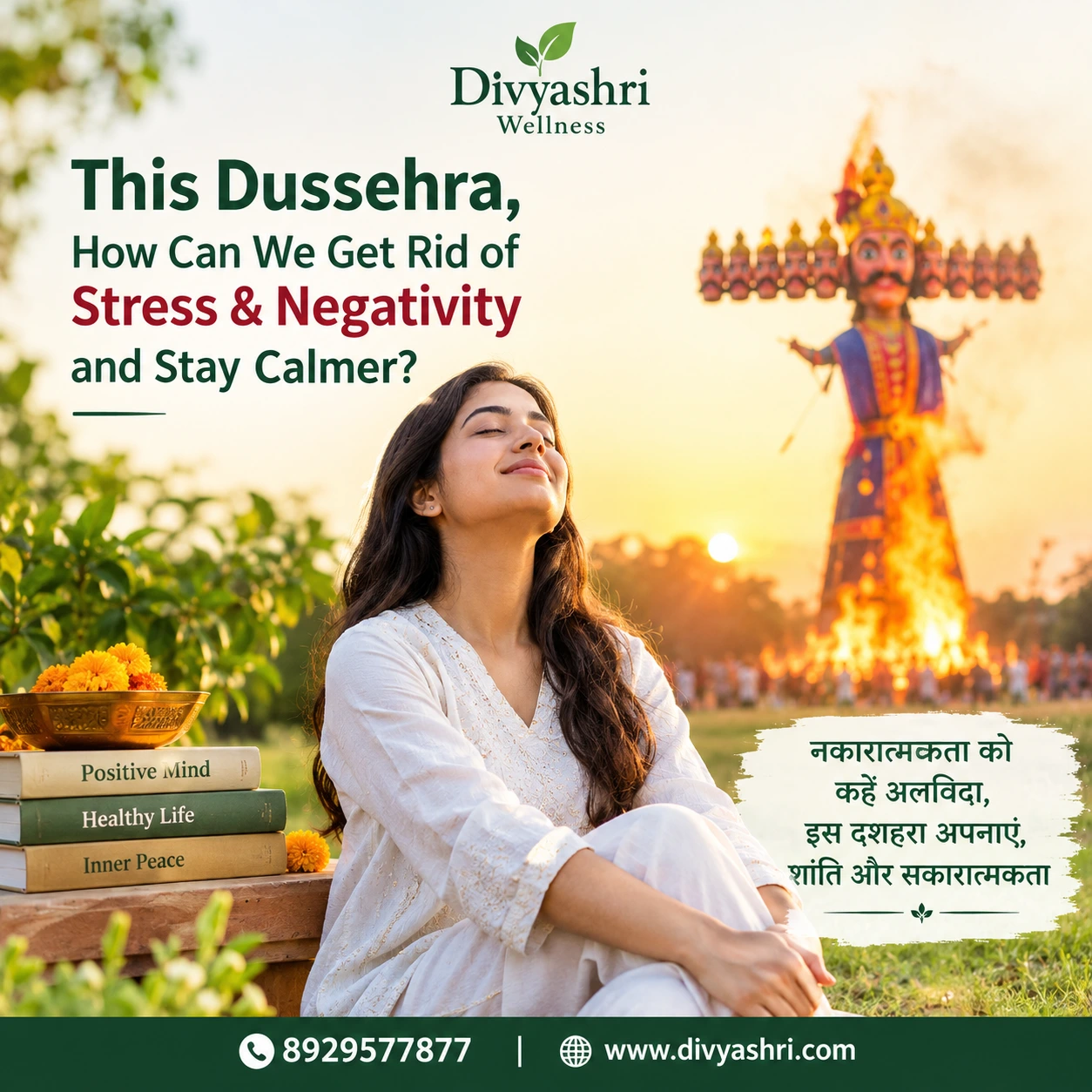
The festive season is a time for happiness, family gatherings, celebrations, and new beginnings. From decorating our homes to preparing festive meals and meeting loved ones, festivals bring many opportunities to create beautiful memories. However, along with excitement, the festive season can also bring stress, anxiety, tiredness, and emotional pressure.
Managing household responsibilities, shopping, work deadlines, family expectations, and financial expenses can sometimes make it difficult to enjoy the celebrations. Instead of feeling relaxed, many people find themselves worrying about what needs to be done next.
At Divyashri Wellness, we believe that mental well-being and a balanced lifestyle are important parts of overall wellness. With a few mindful habits, realistic expectations, and simple self-care practices, you can make this festive season more peaceful, positive, and enjoyable.
What Causes Stress and Negativity During the Festive Season?
Understanding the reasons behind festive stress is the first step towards managing it effectively.
Some common causes include:
- Too many responsibilities: Preparing for celebrations, cleaning, cooking, shopping, and managing work can become overwhelming.
- Financial pressure: Spending on gifts, decorations, clothes, travel, and festive meals may create money-related worries.
- Family expectations: Differences in opinions, misunderstandings, and pressure to meet everyone’s expectations can affect emotional well-being.
- Unrealistic expectations: Social media and the desire to create a perfect celebration may lead to unnecessary comparisons.
- Lack of rest: Busy schedules, irregular sleep, and skipping breaks can contribute to physical tiredness and irritability.
- Loneliness and emotional concerns: Festivals can sometimes bring up difficult memories or feelings of isolation.
Experiencing occasional stress does not mean that you are doing something wrong. The important thing is to recognise your feelings and take small steps towards managing them.
10 Effective Tips to Reduce Stress and Stay Calm This Festive Season
1. Practise Deep Breathing to Relax Your Mind
One of the simplest stress management techniques is mindful breathing. When you feel overwhelmed by responsibilities or negative thoughts, taking a few slow, comfortable breaths can help you pause before reacting.
How to practise:
- Sit comfortably in a quiet place.
- Relax your shoulders and jaw.
- Breathe in gently through your nose.
- Breathe out slowly without forcing your breath.
- Repeat for one to three minutes, focusing on the movement of your breathing.
You can practise this before a family gathering, while preparing for a festival, or whenever you need a peaceful moment.
Regular breathing exercises may help you respond to stressful situations more thoughtfully.
2. Create a Realistic Festive To-Do List
Trying to complete everything in one day can increase stress and leave you feeling exhausted.
Instead of planning an unrealistic schedule, make a simple list of the tasks that genuinely matter.
For example:
- Complete essential shopping a few days in advance.
- Divide household responsibilities among family members.
- Prepare a budget before making purchases.
- Schedule breaks between activities.
- Leave some free time for relaxation.
3. Practise Mindfulness and Meditation
Mindfulness means paying attention to the present moment instead of constantly worrying about the past or future.
During the festive season, you can practise mindfulness through simple daily activities. Notice the fragrance of flowers, enjoy the taste of your food, listen carefully when someone speaks, or spend a few minutes observing your surroundings without distractions.
You can also try five minutes of meditation each morning.
Find a comfortable position, focus on your breathing, and gently bring your attention back whenever your mind wanders.
With regular practice, mindfulness can support stress management, improve awareness of your emotions, and help you approach daily challenges more calmly.
4. Reduce Negative Thinking and Avoid Unnecessary Comparisons
Negative thinking can make ordinary challenges feel more difficult. Comparing your celebrations, home, appearance, or lifestyle with what you see on social media may also create unnecessary pressure.
Instead of focusing on what is missing, try to recognise what is already going well.
For example:
- Replace “Everything has to be perfect” with “I can do my best without expecting perfection.”
- Replace “I have too much to do” with “I will start with one important task.”
- Replace “Everyone else is doing better” with “My circumstances and priorities are different.”
These small changes do not mean ignoring genuine problems. They help you look at situations more realistically and respond with greater self-compassion.
5. Prioritise Quality Sleep and Rest
A busy festive schedule can disturb your regular sleeping routine. Insufficient sleep may affect mood, concentration, patience, and your ability to cope with everyday stress.
To support better sleep:
- Try to maintain a consistent bedtime and wake-up time.
- Reduce screen use before going to bed.
- Avoid excessive caffeine, particularly later in the day.
- Keep your sleeping environment comfortable and quiet.
- Make time for rest instead of filling every available hour with activities.
Adults generally need at least seven hours of sleep each night, although individual needs can vary.
Rest is not wasted time. It is an important part of maintaining physical and emotional well-being.
6. Stay Physically Active Every Day
Physical activity can support mood, sleep quality, and overall health. You do not need an intense workout to stay active during the festive season.
Try incorporating simple activities into your routine:
- Take a 15–30-minute walk, according to your comfort and fitness level.
- Stretch gently after sitting for long periods.
- Practise yoga if it suits your needs.
- Spend time outdoors during daylight.
- Dance to your favourite festive music.
Choose activities that you enjoy and can maintain comfortably. Even short periods of movement can be a useful way to take a break from stressful thoughts.
7. Eat Mindfully and Stay Hydrated
Festive meals are an enjoyable part of celebrations, but irregular eating, skipping meals, and inadequate hydration can leave you feeling tired or uncomfortable.
Maintain a balanced approach to food by including vegetables, fruits, protein-rich foods, and other nutritious choices in your meals. Drink water regularly and enjoy festive treats without unnecessary guilt.
Mindful eating also means slowing down, noticing when you feel comfortably full, and enjoying the experience instead of eating in a rush.
There is no need to follow a strict diet simply because it is the festive season. Focus on balance, variety, and your individual nutritional needs.
8. Set Healthy Boundaries and Learn to Say No
Festivals often involve social invitations, family commitments, and requests for help. Although supporting loved ones is valuable, accepting every responsibility can leave you emotionally exhausted.
It is okay to decline an invitation or ask someone else to handle a task when your schedule becomes too demanding.
You can say:
“I would love to help, but I need some time to rest today.”
Or:
“Let’s divide the work so everyone can enjoy the celebration.”
Healthy boundaries are not a sign of selfishness. They help you protect your time and energy while maintaining more positive relationships.
9. Spend Time with Positive and Supportive People
The people around us can influence how we feel during stressful situations. Spending time with people who listen without judging, respect your boundaries, and offer encouragement can make difficult days easier to manage.
During the festive season, try to:
- Share your feelings with someone you trust.
- Spend quality time with family and friends.
- Participate in activities that bring you genuine happiness.
- Offer help to others when you have the capacity.
- Step away from conversations that become unnecessarily hurtful or overwhelming.
You do not need to force yourself to feel cheerful all the time. Give yourself permission to experience your emotions while seeking healthy, supportive connections.
10. Practise Gratitude and Make Time for Yourself
Gratitude can help you pay attention to meaningful experiences rather than focusing only on problems or unmet expectations.
At the end of each day, write down three things you appreciate. They could be as simple as sharing a meal with your family, receiving a kind message, enjoying a peaceful morning, or completing an important task.
Along with gratitude, make time for activities that help you recharge.
You might read a book, listen to calming music, spend time in nature, pray or reflect according to your personal beliefs, or simply sit quietly without checking your phone.
Self-care does not have to be expensive or complicated. Small, consistent habits can make it easier to look after your well-being.
A Simple Daily Routine for a Calmer Festive Season
You do not need to change your entire lifestyle to begin managing stress. Start with a few realistic habits and gradually build a routine that works for you.
Morning
- Wake up at a reasonably consistent time.
- Spend five minutes practising mindful breathing or meditation.
- Identify your three most important tasks for the day.
- Eat a balanced breakfast.
Afternoon
- Take short breaks between responsibilities.
- Drink water regularly and eat meals on time.
- Go for a short walk or stretch gently.
- Ask for help if your workload feels overwhelming.
Evening
- Spend some distraction-free time with loved ones.
- Limit unnecessary social media scrolling.
- Prepare for the next day without overloading your schedule.
- Reflect on one or two positive moments before bedtime.
The goal is not to follow a perfect routine. It is to create enough balance to enjoy your celebrations without neglecting your needs.
How Can a Positive Mindset Improve Your Festive Experience?
A positive mindset does not mean pretending that every situation is good. It means acknowledging difficulties while looking for constructive ways to respond.
For example, if your festive plans change unexpectedly, you can allow yourself to feel disappointed while considering an alternative. If a family conversation becomes uncomfortable, you can calmly change the subject or take a short break.
You can also remind yourself that meaningful celebrations are built around connection, kindness, shared experiences, and appreciation—not expensive gifts or perfect arrangements.
By focusing on what you can control and accepting that some things will remain uncertain, you may find it easier to handle everyday pressures.
When Should You Seek Professional Help for Stress?
Occasional stress is a normal part of life. However, if stress, anxiety, low mood, or negative thoughts persist, become difficult to manage, or begin interfering with your sleep, relationships, work, or everyday activities, consider speaking with a qualified mental health professional or healthcare provider.
Professional support can help you understand what you are experiencing and explore suitable coping strategies.
There is no need to wait until your difficulties become severe before asking for help. Taking care of your mental health is an important part of overall wellness.
Final Thoughts: Celebrate the Festive Season with Peace and Positivity
The festive season should give you opportunities to connect with loved ones, appreciate meaningful traditions, and create happy memories. However, enjoying the season does not require you to manage every responsibility perfectly or remain positive every moment.
By practising mindfulness, getting enough sleep, staying physically active, setting healthy boundaries, eating mindfully, and making time for yourself, you can build healthier ways to manage festive stress.
At Divyashri Wellness, we encourage a balanced approach to well-being that recognises the importance of everyday habits, self-care, and emotional balance.
This festive season, give yourself the same kindness and attention that you offer to others. Slow down when you need to, celebrate the little things, and remember that your peace of mind matters too.
Wishing you and your family a happy, healthy, peaceful, and positive festive season!
Visit our website: https://www.divyashri.com/
Frequently Asked Questions (FAQs)
1. How can I reduce stress during the festive season?
You can manage festive stress by planning your activities, setting a realistic budget, practising deep breathing, maintaining a healthy sleep routine, staying active, and taking regular breaks.
2. What are the best natural ways to relax the mind?
Simple approaches include mindful breathing, meditation, gentle yoga, spending time outdoors, listening to calming music, journaling, and talking to someone you trust. Choose practices that feel comfortable and helpful for you.
3. How can I stop negative thoughts during festivals?
Rather than trying to force every negative thought away, notice it without judging yourself. Ask whether the thought reflects the whole situation, then redirect your attention towards one manageable action or something meaningful in the present moment.
4. Can meditation help with festive stress?
Meditation and mindfulness may help you become more aware of your thoughts and emotions and respond to stressful situations more thoughtfully. Start with a few minutes daily and practise consistently.
5. Why is sleep important for stress management?
Sleep supports emotional regulation, concentration, and daily functioning. Maintaining a regular sleep schedule can make it easier to cope with everyday demands and enjoy festive activities.
6. When should I seek help for ongoing stress?
If stress or anxiety persists, affects your daily functioning, or feels difficult to manage independently, speak with a qualified healthcare provider or mental health professional.